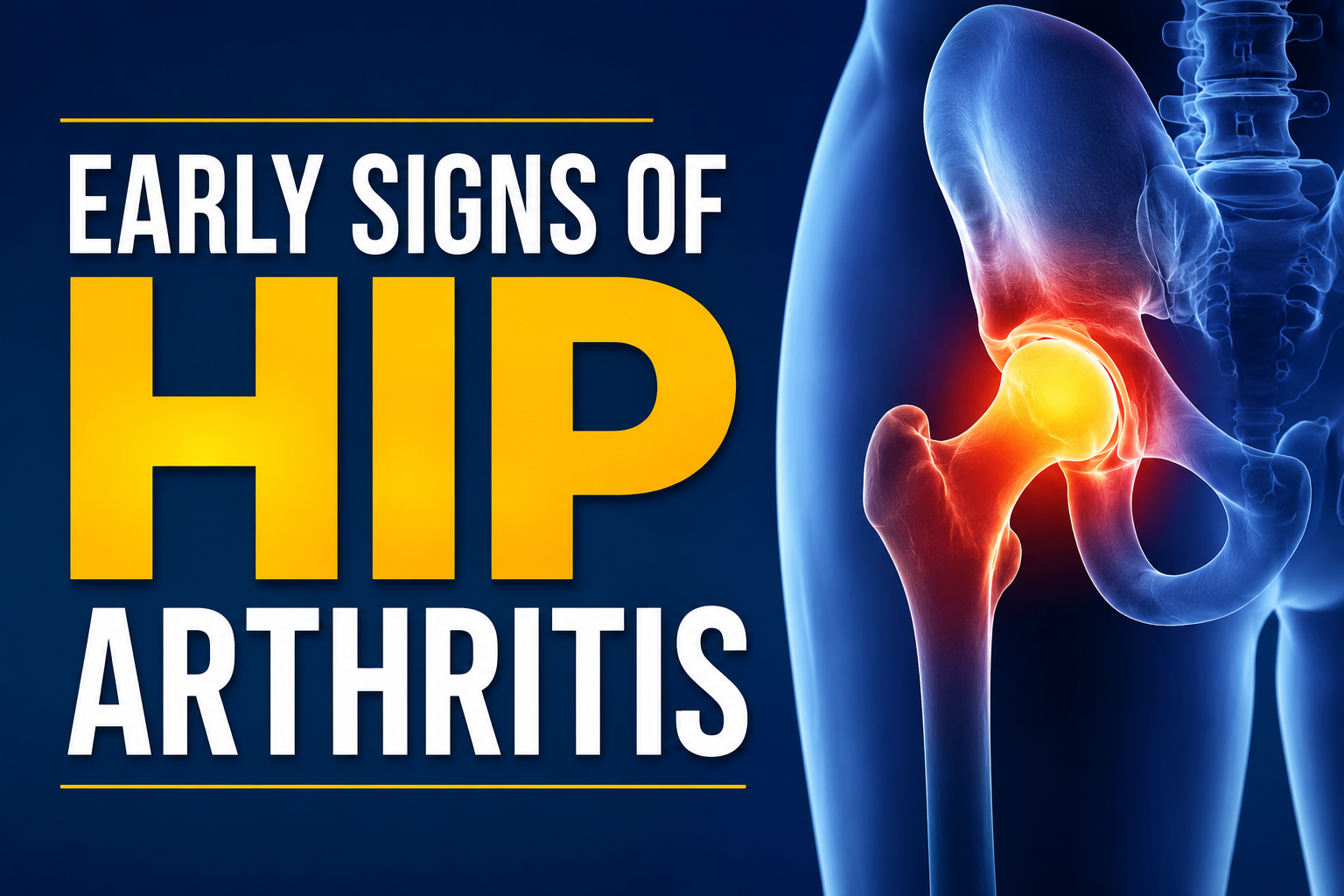
Hip pain is often dismissed as a result of aging, overexertion, or muscle strain. However, persistent discomfort in the hip joint may be an early indication of hip arthritis, a condition that gradually damages the cartilage cushioning the joint. Detecting the early signs of hip arthritis can make a significant difference in preserving joint function, reducing pain, and delaying or even preventing the need for surgery.
Hip arthritis is becoming increasingly common not only among older adults but also in younger individuals due to obesity, sedentary lifestyles, previous injuries, and certain medical conditions. Ignoring the initial warning signs can lead to worsening pain, stiffness, reduced mobility, and difficulty performing daily activities.
If you are experiencing persistent hip pain or stiffness, seeking timely evaluation from an experienced orthopedic specialist is essential. Dr. Aditya Jain, one of the leading orthopedic surgeons and hip surgeons in Delhi, specializes in diagnosing and treating hip disorders using advanced, evidence-based treatment options tailored to each patient’s needs.
What is Hip Arthritis?
Hip arthritis is a degenerative joint condition in which the cartilage covering the hip joint gradually wears away. Cartilage allows smooth movement between the ball (femoral head) and socket (acetabulum). As cartilage deteriorates, bones begin rubbing against each other, causing pain, inflammation, stiffness, and limited movement.
Several types of arthritis can affect the hip, including:
- Osteoarthritis
- Rheumatoid Arthritis
- Post-traumatic Arthritis
- Avascular Necrosis-related Arthritis
- Ankylosing Spondylitis
- Psoriatic Arthritis
Among these, osteoarthritis is the most common form and usually develops gradually over several years.
Why Early Detection Matters
Many patients ignore mild hip discomfort until the pain becomes severe. Unfortunately, arthritis is a progressive disease, meaning the damage worsens over time if left untreated.
Early diagnosis offers several benefits:
- Slows disease progression
- Reduces pain naturally
- Preserves joint movement
- Delays joint replacement surgery
- Improves quality of life
- Maintains an active lifestyle
Early Signs of Hip Arthritis
Recognizing the warning signs early can help prevent significant joint damage.
1. Persistent Hip Pain
One of the earliest symptoms is pain around the hip joint. Initially, the pain may only occur after physical activity but gradually becomes more frequent.
Pain may be felt in:
- Groin
- Front of the thigh
- Buttock
- Side of the hip
- Occasionally radiating to the knee
Many patients mistakenly believe they have knee problems when the actual source is the hip.
2. Morning Stiffness
Stiffness lasting 15–30 minutes after waking up is another common early sign.
You may notice difficulty:
- Getting out of bed
- Standing after sitting
- Walking immediately after resting
The stiffness often improves after gentle movement.
3. Pain While Walking
Initially, discomfort may appear only after walking long distances.
Over time, patients begin noticing pain while:
- Climbing stairs
- Walking uphill
- Shopping
- Standing for prolonged periods
4. Reduced Range of Motion
As arthritis progresses, moving the hip becomes increasingly difficult.
Patients often struggle with:
- Crossing legs
- Sitting on the floor
- Squatting
- Bending to tie shoes
- Getting into a car
Restricted movement is an important warning sign.
5. Limping
When one hip becomes painful, patients naturally shift their weight to the opposite side.
This altered walking pattern eventually causes:
- Limping
- Lower back pain
- Knee pain
- Muscle imbalance
6. Clicking or Grinding Sensation
Damaged cartilage causes rough movement inside the joint.
Some patients experience:
- Clicking
- Grinding
- Popping
- Cracking sounds
These noises are often accompanied by stiffness or discomfort.
7. Difficulty Standing Up
People with early hip arthritis often experience pain while rising from:
- Chairs
- Sofas
- Beds
- Toilets
The first few steps after standing are usually the most painful.
8. Pain After Rest
Contrary to muscle injuries that improve with rest, arthritis often causes pain after prolonged inactivity.
This phenomenon is called “start-up pain.”
9. Night Pain
As arthritis advances, patients begin experiencing discomfort while sleeping.
Pain may:
- Wake you at night
- Increase when lying on one side
- Prevent comfortable sleep
10. Loss of Flexibility
Simple daily movements become increasingly difficult.
Patients often report:
- Difficulty wearing socks
- Trouble cutting toenails
- Difficulty sitting cross-legged
- Limited hip rotation
Causes of Hip Arthritis
Several factors contribute to the development of hip arthritis.
These include:
- Age
- Obesity
- Previous hip injuries
- Sports injuries
- Family history
- Hip dysplasia
- Rheumatoid arthritis
- Bone deformities
- Sedentary lifestyle
Risk Factors
People at higher risk include:
- Adults over 50 years
- Athletes
- Obese individuals
- Construction workers
- Manual laborers
- People with previous fractures
- Patients with inflammatory diseases
When Should You Visit an Orthopedic Surgeon?
Consult an orthopedic specialist if you experience:
- Hip pain lasting more than two weeks
- Morning stiffness
- Difficulty walking
- Pain during climbing stairs
- Reduced flexibility
- Night pain
- Limping
- Hip swelling
Ignoring these symptoms may allow arthritis to worsen significantly.
Diagnosis of Hip Arthritis
An orthopedic specialist performs a detailed evaluation that may include:
Medical History
- Nature of pain
- Duration
- Daily activities
- Previous injuries
Physical Examination
The doctor assesses:
- Walking pattern
- Hip movement
- Muscle strength
- Joint stability
Imaging Tests
Diagnosis may include:
- X-rays
- MRI Scan
- CT Scan (when required)
These investigations help determine the extent of cartilage damage.
Non-Surgical Treatment for Early Hip Arthritis
Many patients respond well to conservative treatment, especially when diagnosed early.
Treatment options include:
Lifestyle Changes
- Weight reduction
- Low-impact exercise
- Walking modifications
- Activity modification
Physiotherapy
A personalized rehabilitation program helps:
- Improve flexibility
- Strengthen muscles
- Increase joint stability
- Reduce stiffness
Medications
Doctors may recommend:
- Pain relievers
- Anti-inflammatory medicines
- Muscle relaxants (when needed)
Medication should always be taken under medical supervision.
Walking Aids
Temporary use of:
- Walking sticks
- Canes
- Support braces
may reduce pressure on the hip joint.
Injection Therapy
In selected patients, injections may provide temporary pain relief and improve mobility.
When is Hip Replacement Surgery Needed?
Surgery is usually considered when:
- Pain becomes severe
- Walking becomes difficult
- Daily activities are affected
- Non-surgical treatment fails
- Joint damage is advanced
Modern hip replacement surgery provides excellent long-term outcomes, allowing patients to return to an active lifestyle with significantly reduced pain.
How to Prevent Hip Arthritis from Worsening
Simple lifestyle changes can protect your hip joints.
- Maintain healthy body weight
- Exercise regularly
- Strengthen hip muscles
- Avoid prolonged sitting
- Treat injuries promptly
- Eat a balanced diet rich in calcium and Vitamin D
- Avoid smoking
- Stay physically active
Why Choose Dr. Aditya Jain for Hip Arthritis Treatment in Delhi?
When it comes to expert orthopedic care, choosing the right specialist plays a crucial role in achieving the best outcomes. Dr. Aditya Jain is recognized for his expertise in managing a wide range of hip conditions, from early-stage arthritis to complex hip replacement surgeries.
With extensive experience in orthopedic surgery, Dr. Aditya Jain focuses on accurate diagnosis, personalized treatment plans, and evidence-based care. He emphasizes conservative management whenever appropriate and recommends surgical intervention only when it is truly necessary. His patient-centric approach, advanced surgical techniques, and commitment to restoring mobility have made him a trusted choice for individuals seeking treatment for hip arthritis and other joint disorders.
Whether you are experiencing early symptoms or advanced joint damage, timely consultation with an experienced orthopedic and hip surgeon can help you regain comfort, improve mobility, and return to your daily activities with confidence.
Frequently Asked Questions (FAQs)
1. What are the first signs of hip arthritis?
Early symptoms include hip pain, morning stiffness, reduced flexibility, limping, and discomfort while walking or climbing stairs.
2. Can hip arthritis be treated without surgery?
Yes. Early-stage hip arthritis can often be managed with medications, physiotherapy, weight management, activity modification, and lifestyle changes.
3. Who is at risk of developing hip arthritis?
Older adults, overweight individuals, athletes, people with previous hip injuries, and those with a family history of arthritis are at higher risk.
4. Is walking good for hip arthritis?
Yes. Gentle, low-impact walking can help maintain joint mobility, provided it is done within pain limits and under medical guidance.
5. How is hip arthritis diagnosed?
Diagnosis involves a physical examination, medical history, and imaging tests such as X-rays or MRI scans.
6. When should I see an orthopedic surgeon for hip pain?
You should consult an orthopedic specialist if hip pain persists for more than two weeks, interferes with daily activities, or is associated with stiffness, limping, or reduced movement.
7. Can young adults develop hip arthritis?
Yes. Although more common in older adults, hip arthritis can also affect younger individuals due to injuries, congenital hip conditions, obesity, or inflammatory arthritis.
8. Is hip replacement the only treatment for severe arthritis?
No. Surgery is recommended only after conservative treatments fail to provide relief. Your orthopedic surgeon will evaluate your condition and suggest the most appropriate treatment.
Conclusion
Hip arthritis develops gradually, and the earliest symptoms are often subtle. Persistent hip pain, stiffness, reduced flexibility, limping, or discomfort during routine activities should never be ignored. Early diagnosis and appropriate treatment can slow disease progression, relieve pain, and help preserve your natural joint for as long as possible.
If you are experiencing the early signs of hip arthritis, seeking timely consultation with an experienced orthopedic specialist is the best step toward protecting your joint health. Dr. Aditya Jain, an experienced orthopedic surgeon and hip surgeon in Delhi, provides comprehensive evaluation and personalized treatment for patients with hip arthritis, helping them regain mobility, reduce pain, and return to an active, healthy life.
Ready to Take Control of Your Health?
Schedule a consultation with Dr. dradityajain to discuss your treatment options.
📞 Call +91 72920 92403